
Treatment Areas

Cervical Disc Herniation
Cervical disc herniation occurs when the soft inner material of a disc in the neck pushes through its outer layer. It may press on a nerve, causing neck pain, pain extending into the arm, numbness or weakness. Many patients improve with non-surgical treatment. Surgery may be considered when symptoms persist despite treatment or neurological problems progress.
Cervical Spinal Stenosis
Cervical spinal stenosis is a narrowing of the spinal canal in the neck that may put pressure on the spinal cord or nearby nerves. Symptoms can include hand numbness, reduced dexterity, weakness and difficulty with balance or walking. Treatment depends on the symptoms, examination findings and imaging results. Surgery may be recommended when spinal cord compression causes significant or progressive neurological problems.


Scoliosis
Scoliosis is a sideways curvature of the spine, usually accompanied by rotation of the vertebrae. It may become noticeable through uneven shoulders, an uneven waist or changes in posture. Assessment considers the size of the curve, the patient’s age, symptoms and whether the curvature is progressing. Treatment is individualized and may involve observation, rehabilitation, bracing or surgery in selected cases.
Deep Brain Stimulation (DBS)
Deep brain stimulation (DBS) uses implanted electrodes to deliver adjustable electrical stimulation to specific areas of the brain. It may help manage movement symptoms in selected patients with Parkinson’s disease, essential tremor or dystonia when medication does not provide adequate control. DBS does not cure the underlying condition. Careful patient selection, device programming and regular follow-up are essential parts of treatment.

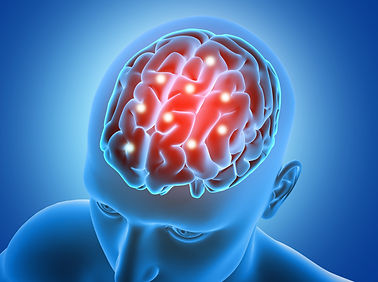
Brain Tumors
Brain tumors are abnormal growths that develop in the brain or surrounding tissues, or spread to the brain from another part of the body. Symptoms vary according to the tumor’s location, size and growth rate, and may include headaches, seizures or neurological changes. Assessment usually involves a neurological examination and MRI. Treatment is individualized and may include monitoring, surgery, radiotherapy or drug treatment, depending on the diagnosis.
Lumbar Disc Herniation
Lumbar disc herniation occurs when the soft inner material of a disc in the lower back pushes through its outer layer. Pressure on a nearby nerve may cause pain extending into the leg, tingling, numbness or weakness. Many patients improve with non-surgical treatment. Surgery may be considered when symptoms remain disabling despite treatment or when significant or progressive neurological problems develop.


Lumbar Spinal Stenosis
Lumbar spinal stenosis is a narrowing of the spinal canal in the lower back that may compress the nerves supplying the legs. It can cause leg pain, numbness or heaviness during standing and walking, often relieved by sitting or bending forward. Treatment depends on symptoms, examination findings and imaging results. Surgery may be considered when non-surgical treatment is insufficient or neurological problems progress.
Brain Aneurysms
A brain aneurysm is a bulge in a weakened area of an artery supplying the brain. Some aneurysms are found incidentally, while others may rupture and cause life-threatening bleeding. Management may involve monitoring, microsurgical clipping or endovascular treatment, depending on the aneurysm’s features and the patient’s circumstances. A sudden, exceptionally severe headache requires immediate emergency assessment.

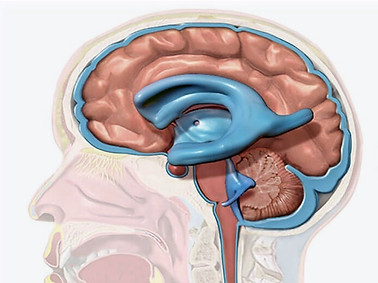
Hydrocephalus
Hydrocephalus is a buildup of cerebrospinal fluid within the brain’s ventricles, causing them to enlarge. Symptoms vary with age and the underlying cause. Assessment includes a clinical examination and brain imaging. Treatment may involve a shunt to drain excess fluid or, in selected cases, an endoscopic third ventriculostomy (ETV) to create an alternative pathway for fluid circulation.
Brain Hemorrhage
A brain hemorrhage is bleeding within the brain or surrounding spaces inside the skull. It can cause sudden headache, weakness, speech difficulties or reduced consciousness and requires urgent medical assessment. Diagnosis usually involves a CT scan. Treatment depends on the location, size and cause of the bleeding, and may include intensive medical care or surgery in selected cases.


Lumbar Spondylolisthesis
Lumbar spondylolisthesis occurs when one vertebra slips forward relative to the vertebra below it. It may cause lower back pain, leg pain or numbness, particularly when accompanied by spinal stenosis. Assessment considers symptoms, nerve compression and spinal stability. Treatment may include physiotherapy, medication or, in selected cases, surgery to relieve nerve pressure and stabilize the spine.
Spinal Fractures
Spinal fractures are breaks in the vertebrae that may occur after trauma or because of weakened bones, such as in osteoporosis. Their severity depends on the fracture pattern, spinal stability and whether the nerves or spinal cord are affected. Treatment may involve pain management, bracing and rehabilitation, while unstable fractures or injuries causing nerve compression may require surgery.


Spinal and Spinal Cord Tumors
Spinal tumors may develop in the vertebrae, within the spinal canal or inside the spinal cord. They can cause persistent back pain, numbness, weakness or difficulty walking, depending on their location. Assessment usually includes MRI and, when needed, further investigations. Treatment depends on the tumor type, nerve compression and spinal stability, and may involve monitoring, surgery, radiotherapy or drug treatment.
Carpal Tunnel Syndrome
Carpal tunnel syndrome occurs when the median nerve is compressed at the wrist. It commonly causes numbness, tingling or pain in the thumb, index and middle fingers, often worsening at night. Some patients also experience hand weakness or difficulty gripping objects. Treatment may include wrist splinting and activity changes, while persistent symptoms or significant nerve damage may require surgical release.


Cubital Tunnel Syndrome
Cubital tunnel syndrome occurs when the ulnar nerve is compressed at the elbow. It may cause numbness or tingling in the little and ring fingers, along with reduced grip strength or difficulty with fine hand movements. Treatment may include avoiding pressure on the elbow, activity changes and night splinting. Surgery may be considered when symptoms persist or muscle weakness develops.